
August News
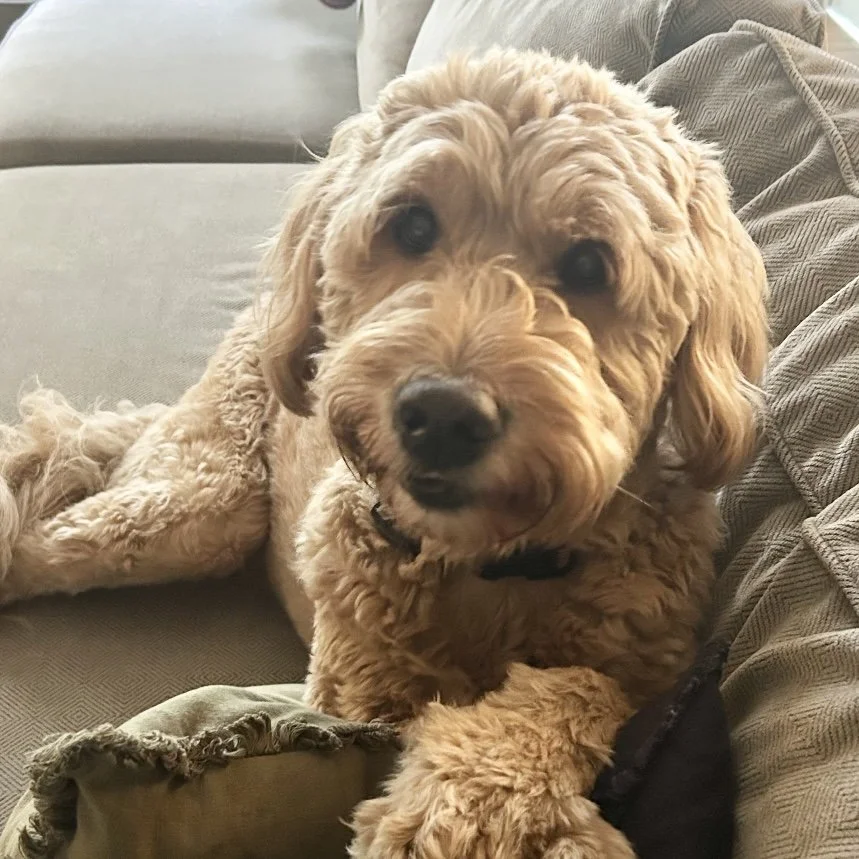
Gentle Exercise for Puppies and Senior Dogs
Keeping Growing Bodies and Aging Joints Healthy
It's easy to assume that more exercise is always better for our dogs, but that's not the case. Puppies and senior dogs have very different reasons for needing less physical exercise, but both benefit from activities that engage their minds without placing unnecessary stress on their bodies.
For puppies, bones, joints, and growth plates are still developing. Too much repetitive or high-impact exercise can contribute to joint injuries and orthopedic problems later in life. Senior dogs, on the other hand, may be coping with arthritis, muscle loss, decreased flexibility, or reduced stamina. They still need regular activity, but it should be gentle and adapted to their individual abilities.
The good news is that keeping these dogs happy doesn't require marathon walks or endless fetch games. In fact, mental enrichment often tires a dog more effectively than physical exercise alone.
Why Moderation Matters
Puppies
Growing puppies need to explore the world, build confidence, and learn appropriate behavior—but they also need plenty of rest. Their bodies are still developing, and repetitive high-impact activities such as jogging, jumping, repeated stair climbing, or endless games of fetch can place unnecessary stress on developing joints.
One of the biggest misconceptions is that puppies need to be exercised until they're tired. Excessive biting, jumping, and difficulty settling are often signs of an overtired puppy rather than one who needs even more exercise.
Short periods of activity followed by quiet rest are far healthier and help train the puppy to settle. The “after activity” crate time doesn’t need to be lengthy; an hour will do the trick.
Senior Dogs
Older dogs benefit greatly from staying active, but they often need a different approach. Arthritis, decreased muscle strength, reduced balance, and slower recovery times mean they may become sore long before they appear exhausted.
Rather than one long outing, several shorter periods of activity throughout the day are usually much easier on aging joints while still maintaining mobility and muscle tone.
Great Low-Impact Activities for Puppies and Seniors
Sniff Walks
Instead of focusing on distance, allow your dog to explore at their own pace. Sniffing is mentally stimulating, naturally calming, and surprisingly tiring. The goal is exploration—not mileage.
Food Toys
Stuffed rubber toys, slow feeders, and Kongs stuffed with peanut butter then frozen encourage cognitive engagement while keeping physical activity low.
Short Training Sessions
Five to ten minutes of practicing simple cues such as Sit, Down, Touch, Watch Me, Come, or Leave It builds confidence, strengthens your relationship, and delivers mental exercise.
Hide-and-Seek
Hide treats or favorite toys around a room and encourage your dog to use their nose to find them. This is enjoyable for both curious puppies and seniors who still love scent work.
Gentle Fetch
Rolling a ball down the hall for a limited amount of time gives my Jack the same joy that fetch in the yard gave him in his prime, young adult days, without the physical stress on his twelve-year-old body.
Quiet Socialization
Invite calm visitors to your home, visit a dog-friendly garden center, or sit together in a quiet park and watch the world go by. New experiences grant valuable enrichment without requiring strenuous activity.
Grooming and Massage
Brushing, handling paws, cleaning ears, and gentle massage all provide mental stimulation while helping dogs become comfortable with routine care. Many senior dogs especially appreciate a gentle massage around tight muscles, steering clear of any painful joints.
Water Can Be Your Friend
If your veterinarian approves, swimming or walking in shallow water provides excellent low-impact exercise. Water supports body weight while allowing muscles to work with much less stress on the joints. Always supervise closely and use a properly fitted canine life jacket.
A Safer Way to Play Fetch
Many dogs absolutely love retrieving a ball, and there's no reason puppies and most senior dogs have to give up one of their favorite games. The key is modifying how the game is played.
Instead of throwing the ball high into the air, roll it along the ground. A rolling ball encourages your dog to trot after it rather than leap, twist, or make sudden airborne catches. Those quick turns and jumping catches place much greater stress on growing joints and aging bodies than simply retrieving a ball from the ground.
For senior dogs, especially, ask them to sit and wait until the ball has landed or stopped rolling before giving the retrieve cue. This eliminates the instinctive sprint and sudden launch that often occurs when dogs chase a moving ball.
Keep retrieves short—approximately 10 to 20 feet is often plenty. Several short retrieves are much healthier than dozens of long throws that leave your dog exhausted and sore.
Remember, the goal isn't to wear your dog out. The goal is to let them enjoy one of their favorite games while protecting their joints.
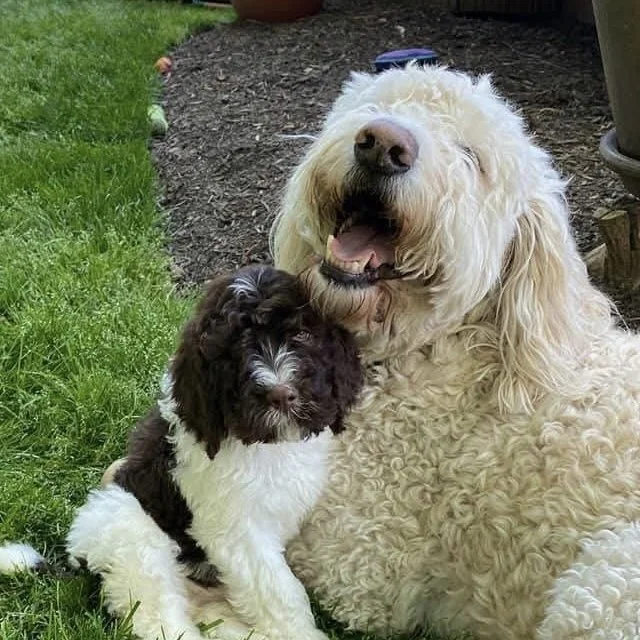
How Far Should You Walk?
One of the most common questions I receive is, "How far should I walk my puppy?" or "How much exercise does my senior dog need?"
The answer isn't measured in miles—it's measured by how your dog feels during and after the walk.
For puppies, a helpful guideline is 5 to 10 minutes of purposeful walking for each month of age, once or twice daily.
2 months: 10–20 minutes
3 months: 15–30 minutes
4 months: 20–40 minutes
5 months: 25–50 minutes
6 months: 30–60 minutes
These walks should be leisurely adventures rather than endurance training. Allow plenty of opportunities to stop, sniff, explore, and experience the world. Free play on grass is generally much gentler on growing joints than repetitive walking on concrete or pavement.
For senior dogs, there is no one-size-fits-all recommendation. A healthy 10-year-old may comfortably enjoy a 30-minute walk, while another dog of the same age may do best with three or four gentle 10-minute strolls throughout the day. In most cases, several shorter walks are kinder to aging joints than one long outing.
If you walk for exercise, you may want to leave the puppy or senior dog at home and plan a special walk tailored to their physical abilities/limitations.
Let Your Dog Set the Pace
Whether your companion is just beginning life or enjoying their golden years, pay attention to body language rather than the clock.
It's time to head home if your dog:
Begins lagging behind
Pants excessively in mild weather
Sits or lies down unexpectedly
Starts limping or bunny hopping
Seems reluctant to continue
Appears stiff when getting up later that day
A successful walk should leave your dog pleasantly relaxed—not exhausted or sore.
Activities to Limit
While every dog is different, these activities should generally be handled carefully for puppies and many senior dogs:
Long-distance jogging
Repetitive jumping for balls or Frisbees
High obstacle agility
Frequent stair climbing
Long hikes over rough terrain
Repeated sharp turns during fetch
Playing on slippery flooring that increases the risk of falls
The Best Exercise Is Time Together
Your dog doesn't measure a successful day by the number of miles walked. They remember the time spent with you.
A leisurely sniff walk, a few minutes of training, a gentle game of fetch, or just relaxing together on the porch often provides exactly what puppies and senior dogs need. By choosing activities that match their stage of life, you'll help protect growing joints, preserve aging bodies, build confidence, and create wonderful experiences together.
Nursery News
We have mini and Moyen sproodles with Gotcha Days in August, males and females available.
We also have several puppies available now with reduced prices
one male mini sproodle
one male Moyen sproodle
Four male standard goldendoodles